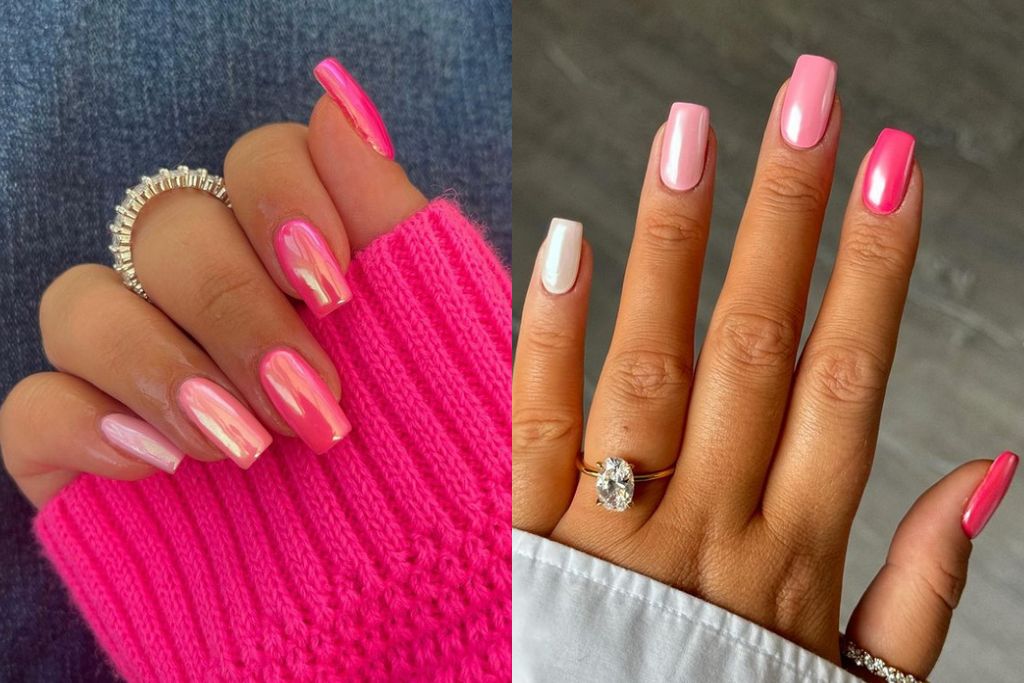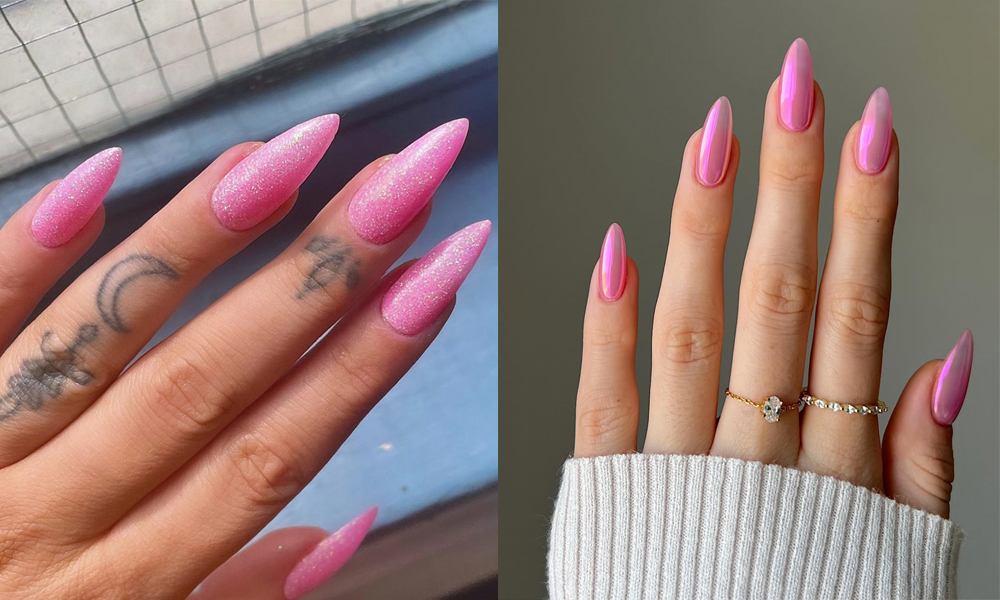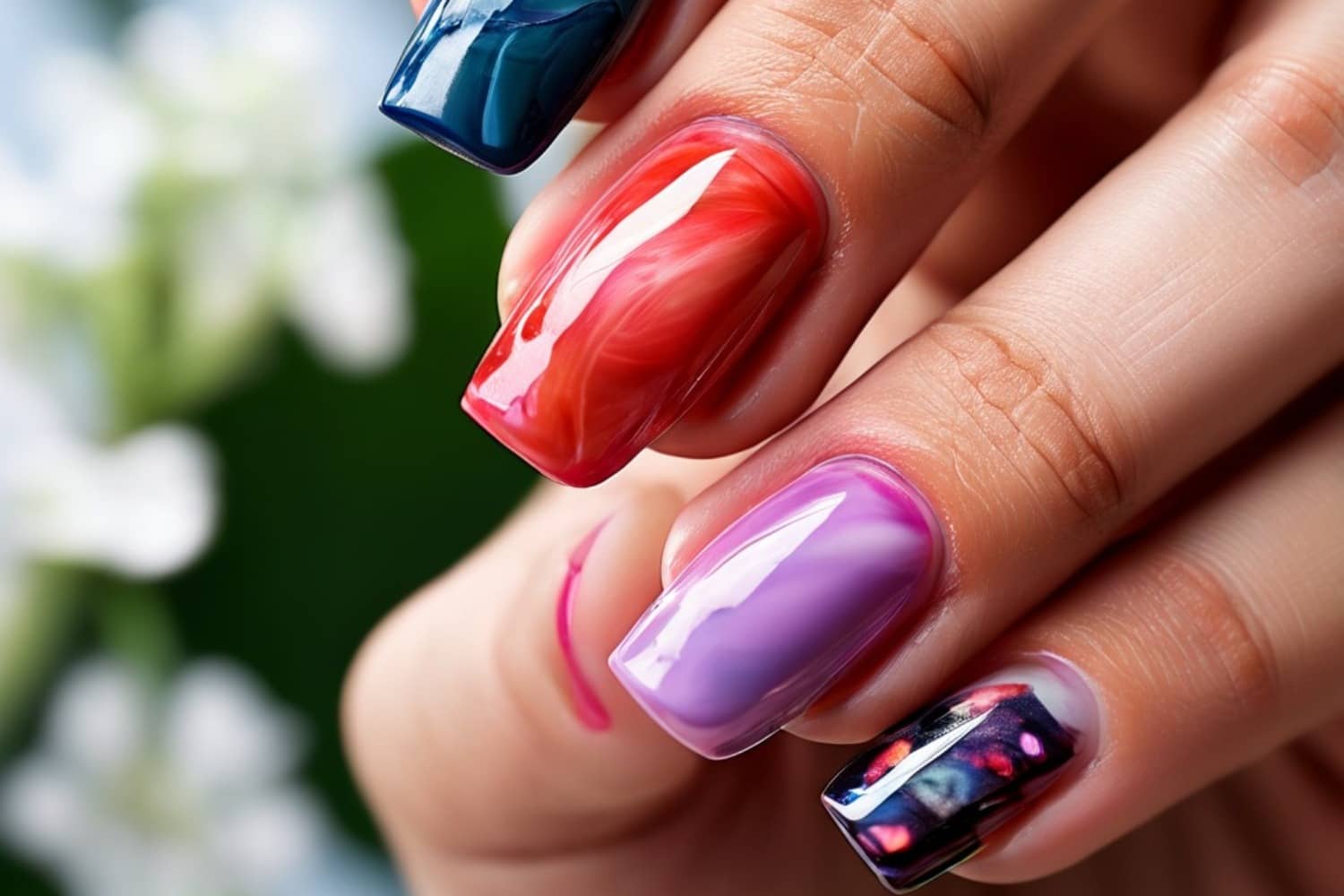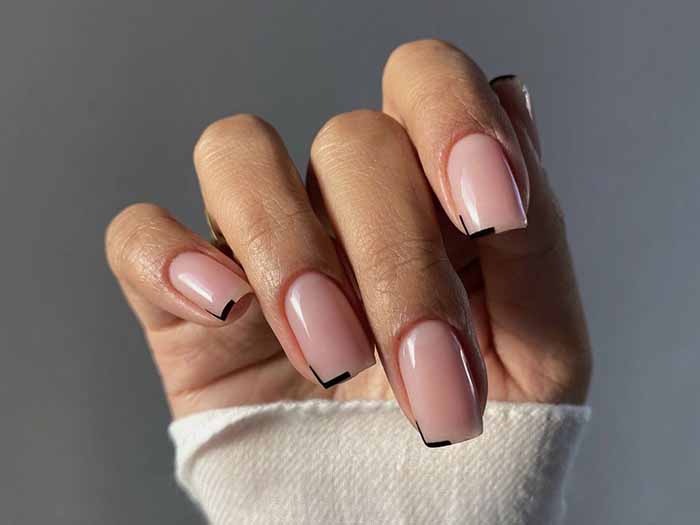
Square nails are one of the most recognizable and polarizing nail shapes in the beauty world. With their sharp, straight edges and clean lines, they project confidence and modern style. But they aren’t for everyone. This guide will help you determine if square nails are right for you, how to maintain them, how they compare to other shapes, and how to wear them as press-ons.
Who Are Square Nails Best For?
Square nails are a bold choice that looks best on certain hand types. They are ideal for people with long, slender fingers and narrow nail beds. The straight lines of a square shape complement these proportions by adding visual structure without overwhelming the hand. Square nails also create a modern, edgy look that works well with minimalist or geometric fashion styles.
If you have short fingers or wide nail beds, square nails are generally not recommended because they can make fingers appear wider and shorter. Oval, almond, or round shapes are more flattering in those cases. However, if you simply love the square shape, a softer version called “squoval”—square with slightly rounded corners—offers a compromise that is nearly as bold but more forgiving.
Square nails are best suited for those with a lower-maintenance lifestyle. Their sharp corners can snag on clothing and are more prone to chipping. If you work with your hands frequently or have a physically active lifestyle, the corners will catch and break more often than rounded shapes.
Lifestyle and durability. The sharp corners of square nails are more vulnerable to breaking. If you are rough on your hands, the corners will chip and peel more frequently. Conversely, if you work in a professional environment, the clean geometry of a square shape projects a polished, competent image. For maximum strength, squoval nails are a better choice than pure square. They are also excellent for those with a wider nail bed who want a shape that makes their nails look more slender.
How to Trim and Maintain Natural Square Nails
Achieving a perfect square shape requires precision and the right tools.
1. Assess your nails. Before filing, decide on the final length. Square nails look best when they extend slightly past the fingertip. Check that all nails are the same length.
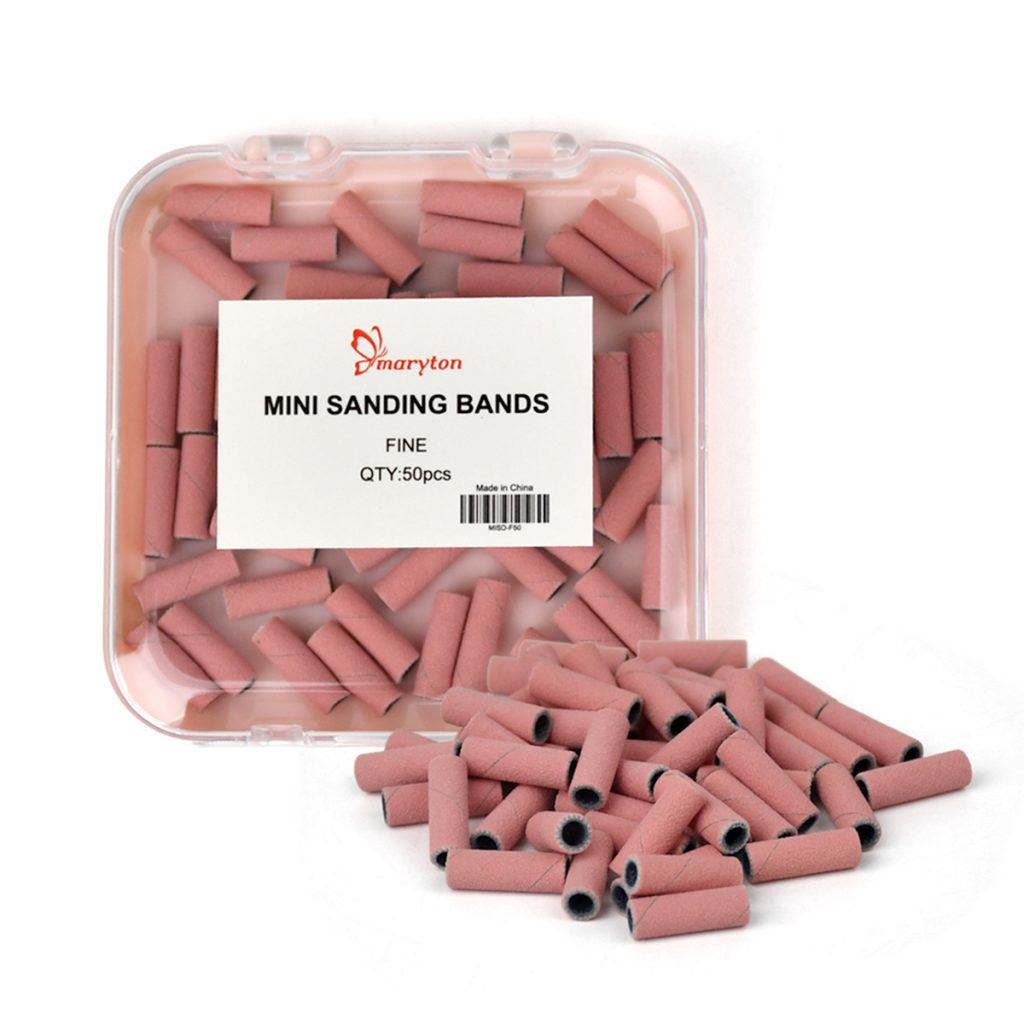
2. File the tip straight. Hold the file horizontally at a 90-degree angle to the nail. Using a fine-grit file, file straight across in one direction—never saw back and forth. Keep the file flat against the nail tip to ensure a crisp, straight line. Check the angle from above and the side.
3. File the sides straight. Hold the nail file vertically against the side of the nail. File straight down, keeping the side perfectly perpendicular to the tip. The goal is to create sharp, 90-degree corners. This step requires a steady hand and patience.
4. Smooth and finish. Once the shape is complete, use a fine-grit file to gently smooth any rough edges, but do not round the corners. Apply cuticle oil and hand cream after filing to replenish moisture.
Square vs. Oval vs. Almond vs. Round: How to Choose
Choosing the right shape is about finding what flatters your natural anatomy.
| Shape | Best For | Pros | Cons |
| Square | Long, slender fingers; narrow nail beds | Bold, modern; great for nail art | Prone to snagging; can make short fingers look shorter |
| Squoval | Universal; wide nail beds; active lifestyles | Durable; easy to maintain; softens the square edge | Less dramatic than pure square |
| Oval | Short fingers; wide nail beds | Elongates fingers; graceful | Less sturdy; requires more length to achieve |
| Round | Short or active lifestyles | Very durable; low maintenance; natural | Can look blunt or stumpy on long fingers |
| Almond | Medium to long nail beds; elegant look | Slenderizes; very feminine | Requires significant length; not as sturdy |
The most popular shape that combines strength and style is squoval—a square shape with softly rounded corners. It is universally flattering, durable, and ideal for anyone who prefers a clean, modern look without the sharp edges of a pure square. To create a squoval shape, file the tip straight across, then lightly round the corners until they are slightly curved. The overall silhouette should still appear square but with softer edges.
Types of Square False Nails (Press-Ons)
Square press-on nails come in various styles to suit different occasions and preferences.
Classic square press-ons feature a straight tip with sharp 90-degree corners. This bold shape is usually found in lengths ranging from short to extra-long and is available in solid colors, French tips, and glossy finishes.
Squoval press-ons offer the clean lines of a square with softer, slightly rounded corners. They are the most popular and durable shape, suitable for both natural and artificial nails.
Coffin (Ballerina) press-ons are not pure square but are often grouped with them. They have a tapered silhouette that ends in a flat, squared-off tip, creating a sleek and modern look.
Short square press-ons are available for those who want the shape without excessive length. They are practical and office-appropriate.
How to Properly Apply Square Press-On Nails
Step 1: Prepare your natural nails. Remove old polish, wash your hands with soap and water, and push back cuticles. Lightly buff the nail surface to remove shine, then wipe with rubbing alcohol to remove oils.
Step 2: Select the right size. Hold the press-on nail over your natural nail without removing the backing. Choose the size that covers the nail without overlapping onto the skin or sidewalls. If between sizes, choose the smaller one and gently file the edges to fit.
Step 3: Apply the adhesive. For glue-on nails, apply a thin layer of nail glue to your natural nail, and a small amount to the inside of the press-on. Press the nail on at a 45-degree angle, rolling it down flat. Hold firmly for 15–30 seconds.
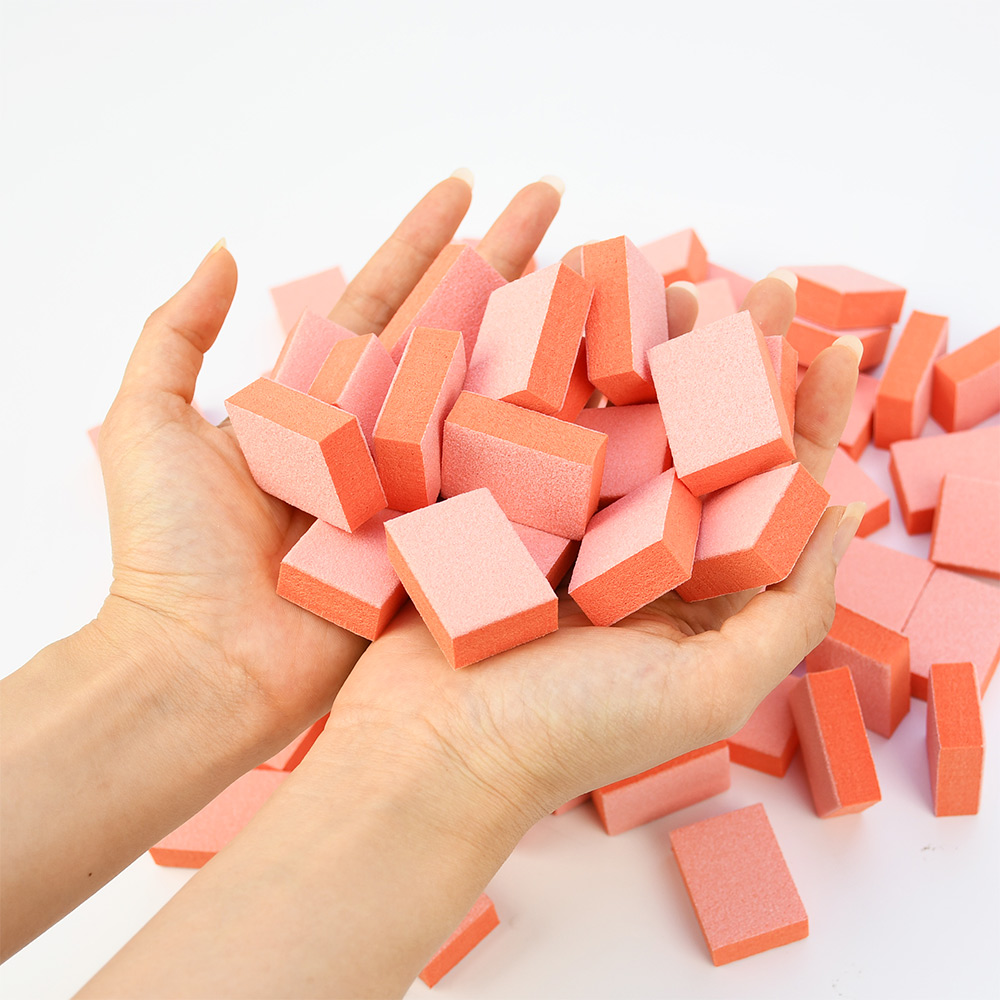
Step 4: Blend and shape. Use a fine-grit file to gently smooth the edge where the press-on meets your natural nail, blending it so there’s no ridge. Run a file or buffer block along the press-on tip to smooth it. For square shapes, ensure the tip remains perfectly straight.
Step 5: Seal and finish. Apply a thin layer of top coat over the entire nail to add shine and protect the edge. Cap the free edge (run the brush along the tip) to seal it.
The Bottom Line
Square nails offer a bold, modern aesthetic that suits those with long fingers and narrow nail beds. They require precision filing and regular maintenance to prevent snagging. For a more practical version, squoval nails provide the same clean lines with added durability. Whether you choose natural square nails or press-ons, proper preparation and care ensure a flawless finish.
Read also: The Complete Guide to Nail Stickers: Types, Application, and Trends